Discover the Essential Features of joemadfan.com for Football Fans in 2025

Introduction to joemadfan.com

As the landscape of sports entertainment evolves, platforms like joemadfan.com emerge as vital resources for fans seeking real-time access to their favorite events. With the rise of high-speed internet and increasing demand for live sports content, the need for reliable streaming services has never been more critical. This article delves into the comprehensive features of joemadfan.com, exploring its historical context, user experience, community engagement, and future development prospects.

Overview of the Platform

joemadfan.com operates at the forefront of online sports streaming, specifically targeting football fans. It offers a variety of live matches, highlights, and insightful content on leagues from around the world. With an easy-to-navigate interface, users can seamlessly find and enjoy their favorite sports events, enhancing their overall viewing experience. The focus on high-quality content and user engagement positions joemadfan.com as a key player in the online sports viewing arena.

Historical Context: The Birth of Online Sports Viewing

The demand for online sports streaming surged in the early 2010s as the internet became more accessible and user-friendly. The evolution of viewing habits—shifting from traditional cable television to online platforms—has led to significant changes in how sports content is consumed. joemadfan.com has been part of this transformation, adapting to new technological advancements to provide fans with real-time streaming options and interactive features that enhance viewer engagement.

Mission and Vision of joemadfan.com

joemadfan.com is dedicated to creating a seamless viewing experience for sports enthusiasts. Its mission centers around providing high-quality, free streaming services to foster a community of passionate fans. The platform envisions continuing to innovate, ensuring that fans have access to the latest updates, match analyses, and exclusive content that enriches their understanding and enjoyment of the sport.

Key Features of joemadfan.com

Live Streaming Quality and Technology

The core attribute of joemadfan.com is its ability to deliver quality live streams without interruption. Utilizing advanced buffering technology, the platform ensures a smooth viewing experience even on less robust internet connections. It covers a wide array of leagues—from the English Premier League to international tournaments—catering to diverse preferences and ensuring fans never miss a moment of action.

User-Friendly Interface Overview

The platform boasts an intuitive design that prioritizes user experience. The homepage is organized with featured matches, upcoming fixtures, and latest news, making it easy for users to find relevant information. The navigation is straightforward, allowing fans to quickly jump between live matches, highlights, and analysis articles, enhancing their overall engagement with the content.

Comprehensive Match Updates and Alerts

In addition to live streaming, joemadfan.com provides real-time updates regarding match scores, team lineups, and key events. Users can set up alerts for their favorite teams and matches, ensuring they remain informed and engaged. The comprehensive coverage of matches allows fans to stay connected and actively follow their preferred sports teams.

Benefits of Using joemadfan.com

Access to Free Streaming Services

One of the most appealing aspects of joemadfan.com is its free access to high-quality streaming services. This feature democratizes sports viewing, allowing fans from various backgrounds to enjoy their favorite games without financial barriers, which is especially crucial in regions where cable fees may be prohibitive.

Community Engagement and Interaction

joemadfan.com fosters a vibrant community where users can interact, share opinions, and discuss matches. This aspect adds a social dimension to the viewing experience, as fans can connect with others who share their passion for football. The platform encourages active participation through forums and comment sections, creating a sense of belonging among users.

Time Efficiency: All-in-One Sports Information Hub

With all relevant sports information consolidated into one platform, joemadfan.com saves users time spent searching for match updates, analyses, or highlights across multiple websites. This centralization enhances user satisfaction, as fans can find everything they need in one place, promoting a more efficient way of consuming sports content.

User Experience and Feedback

Design Aspects and Usability

The design of joemadfan.com is not only aesthetically pleasing but also functional. The layout is clean, with clearly defined sections for live matches, news, and community interactions. Users have praised the site’s usability, particularly the ease of navigation and the responsiveness of the interface, which adapts well to various device sizes.

Mobile Compatibility and Performance

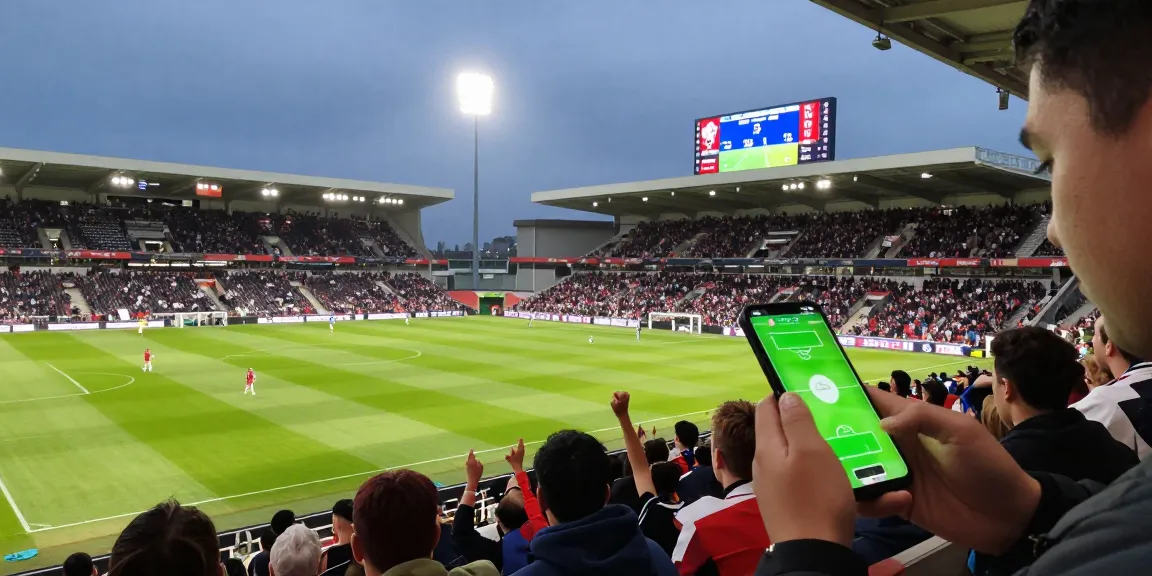
As an increasing number of fans shift to mobile viewing, joemadfan.com has optimized its platform for mobile compatibility. The mobile experience mirrors that of the desktop site, providing users with the flexibility to watch matches on the go. This level of accessibility is a significant factor in attracting and retaining a diverse audience of sports fans.

Community Reviews and User Testimonials

User feedback is a testament to the platform’s effectiveness. Many fans express satisfaction with the quality of streams and the breadth of content available. Testimonials highlight the engaging community aspect, with users often mentioning their enjoyment of discussing games and strategies with fellow enthusiasts.

The Future of joemadfan.com

Trends in Sports Streaming Technology

The sports streaming industry is poised for further innovation, especially with trends leaning towards virtual reality (VR) and enhanced interactivity. joemadfan.com is well-positioned to leverage these technologies, potentially offering VR experiences that allow fans to immerse themselves in live matches as if they were in the stadium.

Expanding Content and Feature Integration

As the platform continues to grow, integrating additional features such as personalized content recommendations and social media interoperability could enhance user engagement. By analyzing user preferences and behavior, joemadfan.com can curate a tailored experience that keeps fans returning for more.

Long-Term Goals and Community Growth

Looking ahead, joemadfan.com aims to solidify its position as a leading sports streaming platform. Expansion plans involve broadening its coverage of lesser-known sports and potentially collaborating with international leagues to provide exclusive content. The long-term vision also includes nurturing the community aspect, ensuring that fans remain connected and engaged with each other and the platform.

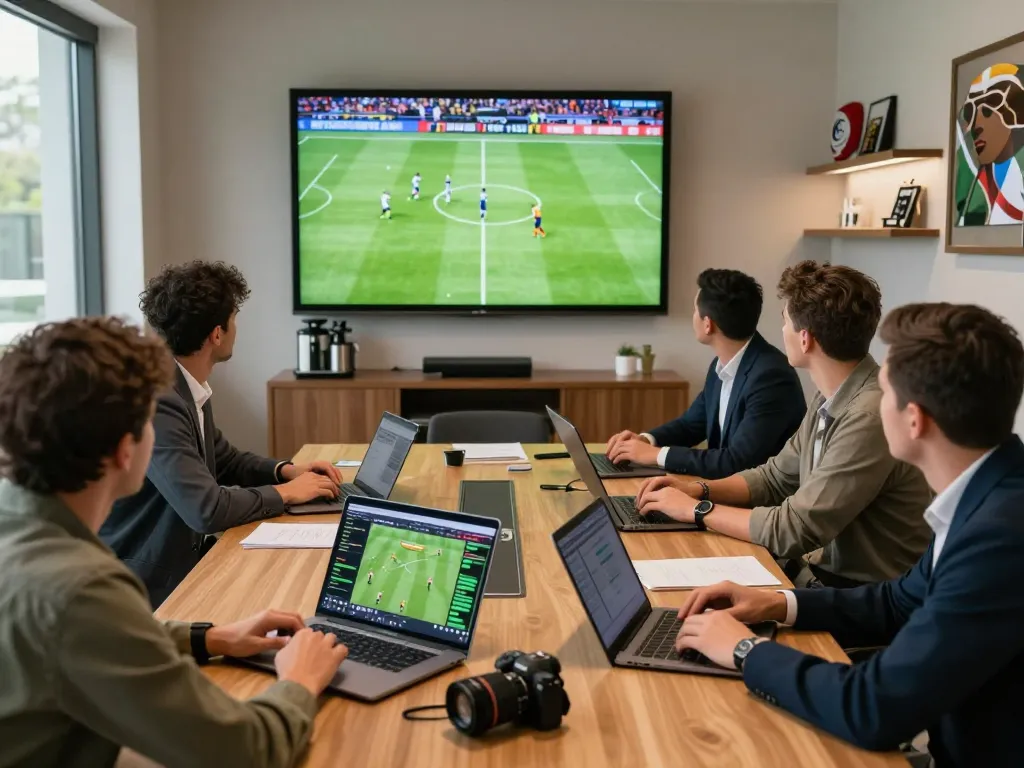
Engaging sports broadcasting presenters discussing live events in a vibrant studio.

Mastering Sports Broadcasting: Insights, Techniques, and Trends

Introduction to Sports Broadcasting

Sports broadcasting is an intriguing amalgamation of art and technology, dedicated to bringing live sports action to millions of viewers around the world. Through various platforms, including television, radio, and streaming services, Sports Broadcasting has revolutionized how fans experience their favorite games and teams. In this comprehensive guide, we will explore the multifaceted world of sports broadcasting, examining its definition, evolution, key roles, and the technical aspects required to create engaging sports content.

What is Sports Broadcasting?

At its core, sports broadcasting refers to the dissemination of live sports events through various media channels. This can include cable television networks, radio stations, and, in recent years, digital platforms like social media and streaming services. The main objective is to deliver real-time coverage, analysis, and commentary on sporting events, facilitating an immersive experience for audiences who may not be physically present in the stadiums.

The Evolution of Sports Broadcasting

The journey of sports broadcasting began in the early 20th century with radio broadcasts, allowing fans to hear the calls of legendary broadcasters covering games. This was followed by television in the 1950s, which transformed the landscape entirely by adding visual elements. Over the decades, technology has continually adapted to enhance viewer experience, leading to transitions into color broadcasts, slow-motion replays, high-definition imaging, and interactive features through mobile applications and online platforms.

Key Roles in Sports Broadcasting

Successful sports broadcasting relies on a diverse team of professionals who work behind the scenes and on camera. Key roles include:

  • Sportscasters: They provide play-by-play commentary and analysis, making the game engaging for viewers.
  • Producers: Responsible for the overall production, they coordinate all elements of the broadcast, from camera angles to segment timings.
  • Camera Operators: They capture high-quality footage, ensuring that viewers can follow the action seamlessly.
  • Audio Engineers: They manage sound quality, balancing commentary, crowd noise, and other audio elements to create an immersive experience.
  • Technical Team: Comprising broadcast engineers and IT specialists, they ensure that all technical aspects function smoothly, preventing disruptions during live events.

Technical Aspects of Sports Broadcasting

Delving deeper, the technical aspects of sports broadcasting are critical to delivering high-quality content that engages fans. From essential equipment to efficient software, every element plays a vital role in the production process.

Equipment Essentials for Sports Broadcasting

The equipment used in sports broadcasting is varied and specialized. Essential items include:

  • Cameras: High-definition cameras are fundamental for capturing live footage, while specialized cameras like cranes and drones provide unique angles.
  • Microphones: Different types of microphones (e.g., lapel mics for commentators, shotgun mics for crowd sounds) are crucial for audio quality.
  • Switchers: These devices allow producers to select and transition between multiple camera feeds, giving them control over the broadcast’s visual presentation.
  • Graphics Systems: They generate on-screen graphics for statistics, scores, and player information, enriching the viewing experience.
  • Broadcast Servers: These store and manage recorded content, ensuring it can be played back during replays or highlights.

Behind the Scenes of Live Sports Events

The broadcasting of live sports events is a finely tuned operation that requires meticulous planning and coordination. Behind the scenes, teams engage in rigorous preparation, including:

  • Pre-game meetings: Coordinating among producers, directors, and sportscasters to establish the outline of the broadcast.
  • Site visits: Conducting assessments of the venue to determine camera placements, sound capturing points, and logistical considerations.
  • Rehearsals: Running through segments to ensure smooth transitions, aiming to reduce errors during the actual event.

Software and Tools for Efficient Broadcasting

Modern broadcasting leverages various software tools to streamline workflows and enhance the viewer experience. Essential tools include:

  • Live Streaming Software: Programs like OBS Studio help producers seamlessly transmit live events across platforms.
  • Editing Software: Applications like Adobe Premiere Pro enable post-game editing, ensuring high-quality highlight reels are produced efficiently.
  • Social Media Management Tools: Platforms such as Hootsuite allow broadcasters to engage with audiences in real time via social channels.

Strategies for Successful Sports Broadcasting

To capture and maintain audience interest, broadcasters must adopt strategies that foster engagement and draw in new viewers. Here are critical approaches to achieving success in sports broadcasting.

Building Audience Engagement in Sports Broadcasting

Engagement is paramount in sports broadcasting. Effective strategies include:

  • Interactive Polls: Utilizing live polls during broadcasts can enhance real-time engagement, allowing viewers to share their opinions.
  • Social Media Engagement: Encouraging fans to share their experiences online using dedicated hashtags can create a community around the broadcast.
  • Viewer Q&A Segments: Allowing fans to ask questions during broadcasts encourages interaction and can be integrated into the show.

Creating Compelling Content for Viewers

Content must be captivating to retain and grow viewership. Key techniques include:

  • Storytelling: Narratives around players, teams, and rivalries add depth and intrigue to broadcasts.
  • Highlight Packages: Creating exciting highlight reels that showcase spectacular moments from games keeps fans engaged and entertained.
  • Expert Analysis: Featuring pundits and analysts provides viewers with in-depth insights, enhancing their understanding of the sport.

Effective Promotion and Marketing Techniques

To maximize reach, effective promotion strategies must be implemented. Consider the following techniques:

  • Collaborations: Partnering with influencers or other brands can expand a broadcaster’s reach and attract new audiences.
  • Targeted Advertising: Utilizing data analytics to run targeted ad campaigns can engage specific demographics more effectively.
  • Utilizing Email Marketing: Regular updates to subscribers about upcoming broadcasts can help retain audience interest.

Challenges in Sports Broadcasting

While broadcasting sports can be rewarding, several challenges must be navigated to maintain quality and efficiency in content delivery.

Legal Issues in Sports Broadcasting

Broadcast rights and licensing are crucial in the sports industry. Broadcasters face legal challenges concerning intellectual property rights, which can lead to costly disputes if not handled properly. It is essential to ensure compliance with regulations governing rights to broadcast specific sports events.

Adapting to Technological Changes

The fast-paced evolution of technology means broadcasters must continuously adapt their strategies and equipment. Staying updated on industry trends, such as new streaming technologies and enhanced audio-visual equipment, is vital for maintaining a competitive edge.

Managing Viewer Expectations

Viewers today expect high-quality content and fast-paced delivery. Meeting these expectations can be challenging, especially under the pressure of live events. Establishing clear communication about potential delays or technical issues can help manage viewer satisfaction.

Future Trends in Sports Broadcasting

The landscape of sports broadcasting is continually evolving, driven by technological advances and changing viewer behaviors. Understanding future trends can help broadcasters stay ahead of the curve.

The Role of Social Media in Broadcasting

Social media is increasingly becoming integral to sports broadcasting, serving as an engagement platform for fans. Upcoming trends include live streaming events on platforms such as YouTube and Twitch, providing dynamic interaction opportunities while making sports accessible to a broader audience.

Innovations like AR and VR in Sports Broadcasting

Augmented reality (AR) and virtual reality (VR) technology are set to revolutionize sports broadcasting by creating immersive viewing experiences. From 360-degree game replays to interactive fan experiences, these technologies can engage audiences in novel ways, transforming how sports are consumed.

Predictions for the Future of Sports Broadcasting

As the industry evolves, predictions point toward further integration of AI analytics in content creation, personalized viewing experiences, and increased accessibility through advanced streaming services. Adaptation to these changes will be key for broadcasters aiming to cater to the next generation of sports fans.

FAQs

What qualifications are needed for a career in sports broadcasting?

Typically, a degree in journalism, communications, or broadcasting is beneficial. Many positions require strong communication skills and experience in media production.

How has social media impacted sports broadcasting?

Social media has transformed audience engagement by providing real-time interaction, facilitating discussions, and driving viewership through organic reach and promotions.

What are the biggest challenges broadcasters face today?

Some major challenges include heightened viewer expectations, navigating complex legal rights, and adapting to rapidly changing technologies in broadcasting.

How can sports networks improve viewer engagement?

Networks can use interactive elements like live polls, viewer Q&A sessions, and social media interaction to enhance viewer engagement during broadcasts.

What emerging technologies should broadcasters watch for?

Broadcasters should keep an eye on augmented reality, virtual reality, AI analytics, and enhanced streaming technologies to stay relevant in the competitive landscape.